📌📌📌📌What Is PLC DATA TYPES ???🔹
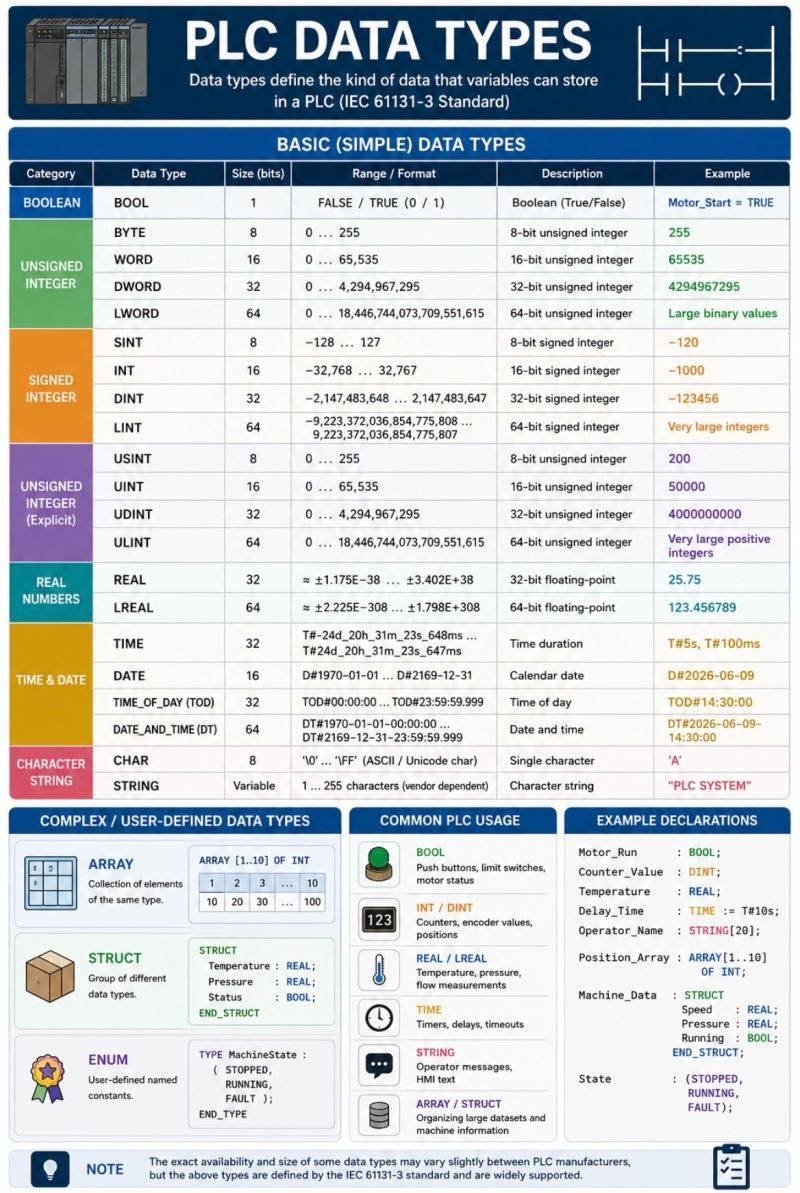
Understanding PLC data types is essential for every automation, electrical, and mechatronics engineer. Data types define how information is stored, processed, and communicated within a PLC program, directly affecting system performance, memory utilization, and program reliability.
📌 Common PLC Data Types:
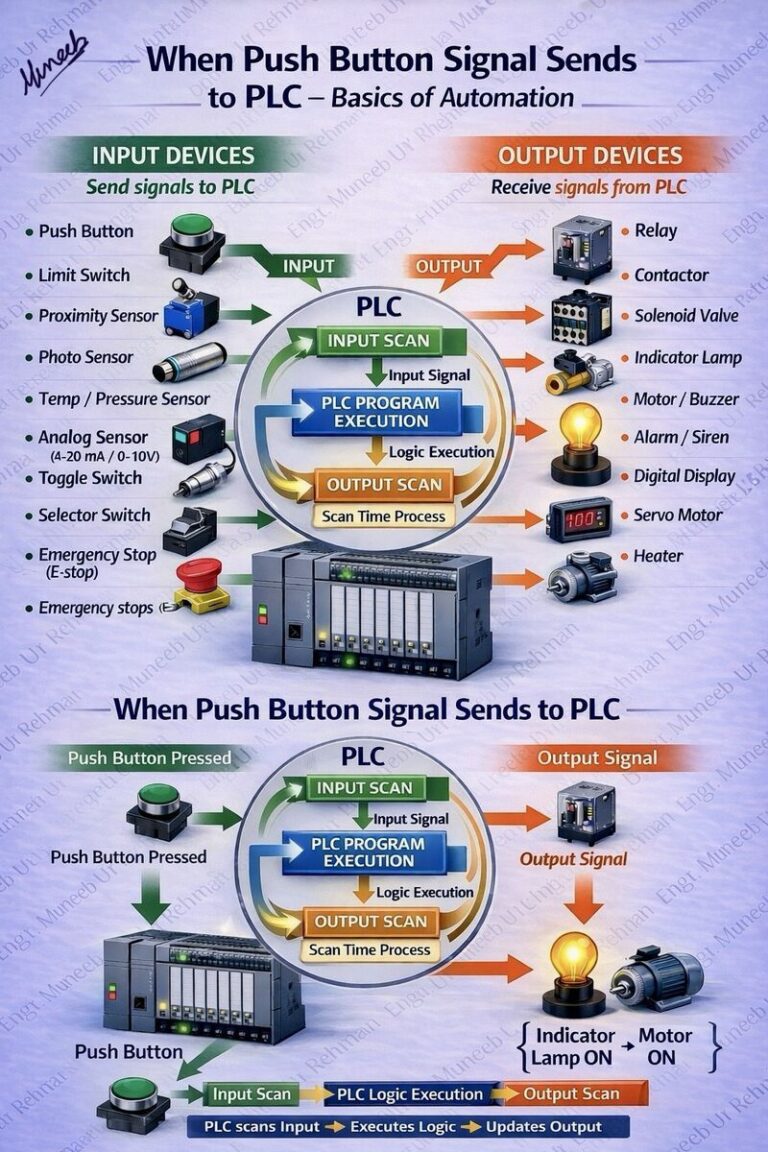
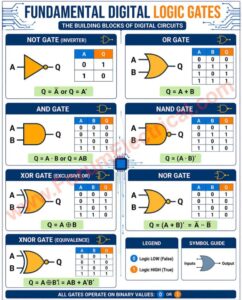
✅ BOOL – Used for ON/OFF conditions, push buttons, sensors, and motor status.
✅ INT / DINT – Ideal for counters, encoder values, and numerical calculations.
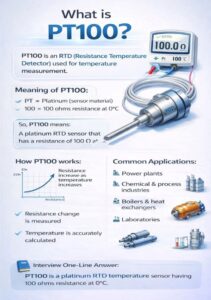
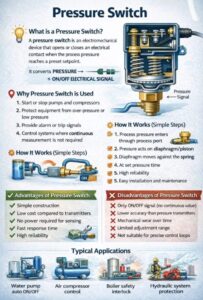
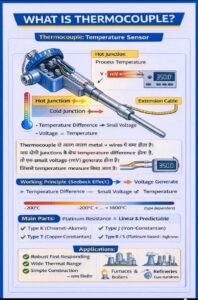
✅ REAL / LREAL – Used for analog values such as temperature, pressure, flow rate, and speed.
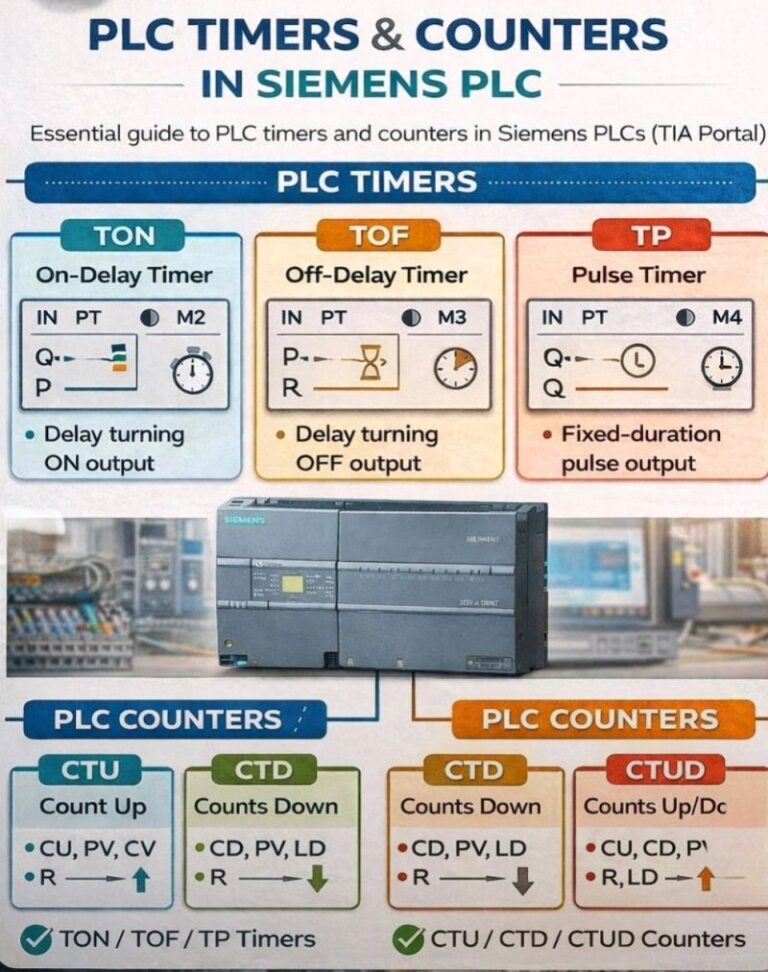
✅ TIME – Essential for timers, delays, and sequencing operations.
✅ STRING – Stores operator messages, HMI text, and product information.
✅ ARRAY – Organizes multiple values of the same data type efficiently.
✅ STRUCT – Groups related variables into a single organized structure.
✅ ENUM – Improves code readability by using meaningful state names.
💡 Why is it important?
• Improves program efficiency and memory management.
• Enhances code readability and maintainability.
• Reduces programming errors and debugging time.
• Ensures accurate data processing in industrial automation systems.
As automation engineers, mastering PLC data types is one of the key fundamentals that enables the development of scalable, efficient, and reliable control systems.